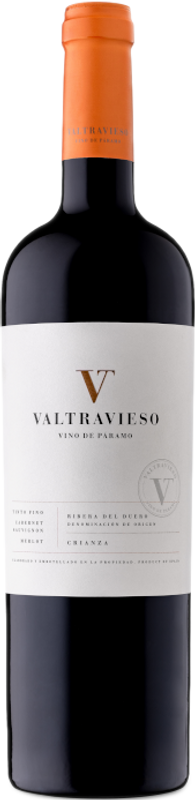
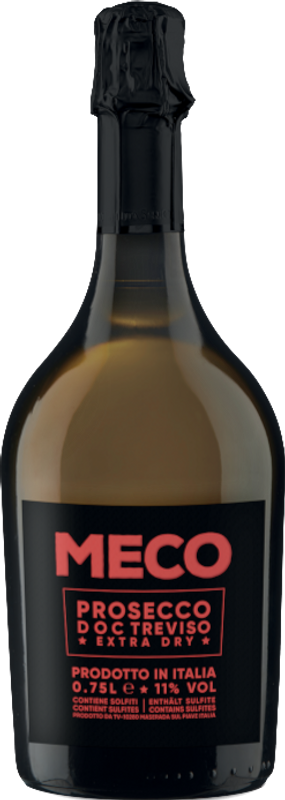
«Happiness in wine has many faces. We find it in passionate winemakers, in mysterious traditions, in natural cultivation, and in top quality. And sometimes it appears with a wink – as with Peter Skoglund or Casa Rojo. Because wine can also be cheerful and relaxed. After all, it unfolds its magic above all where the atmosphere is light. With that in mind: have fun discovering new wines!»
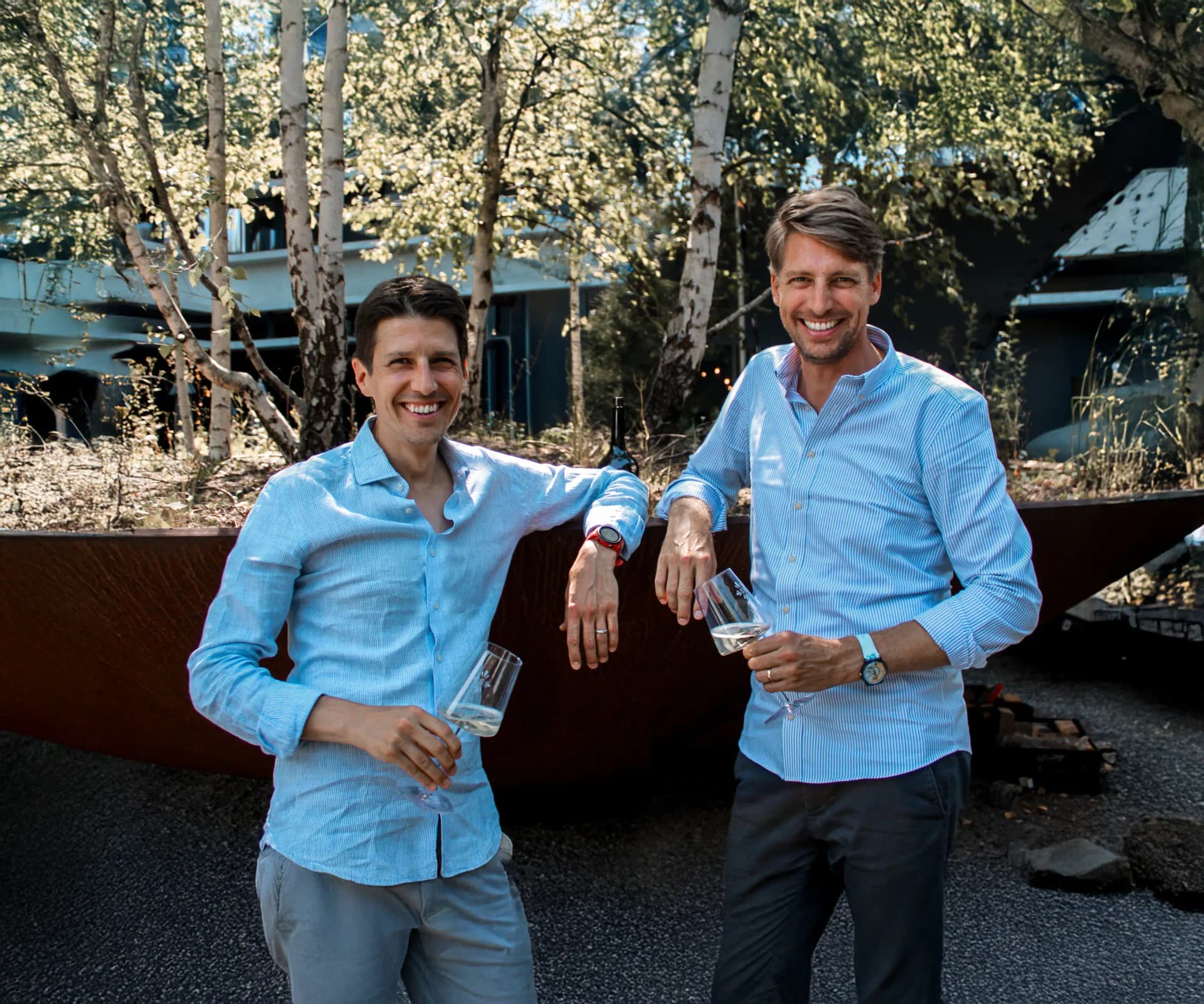


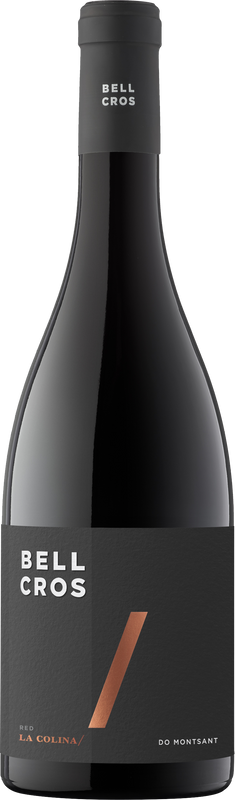
The Swede who retired at 55 simply couldn’t stay still for long. After just half a year of retirement, the former business consultant grew bored – and that’s how he ended up running a winery. It all began when he and his wife bought a holiday apartment in Barcelona, because they loved the city and its culture. “Back then, I hardly knew more about wine than that there was red and white,” Peter admits with a smile.
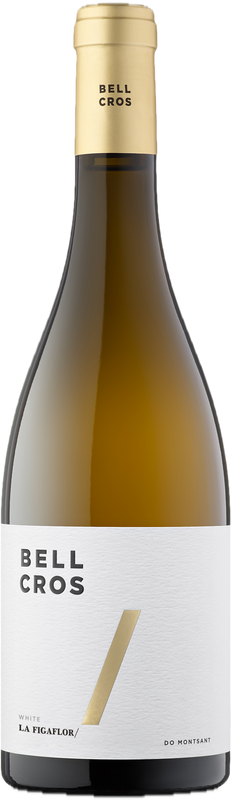
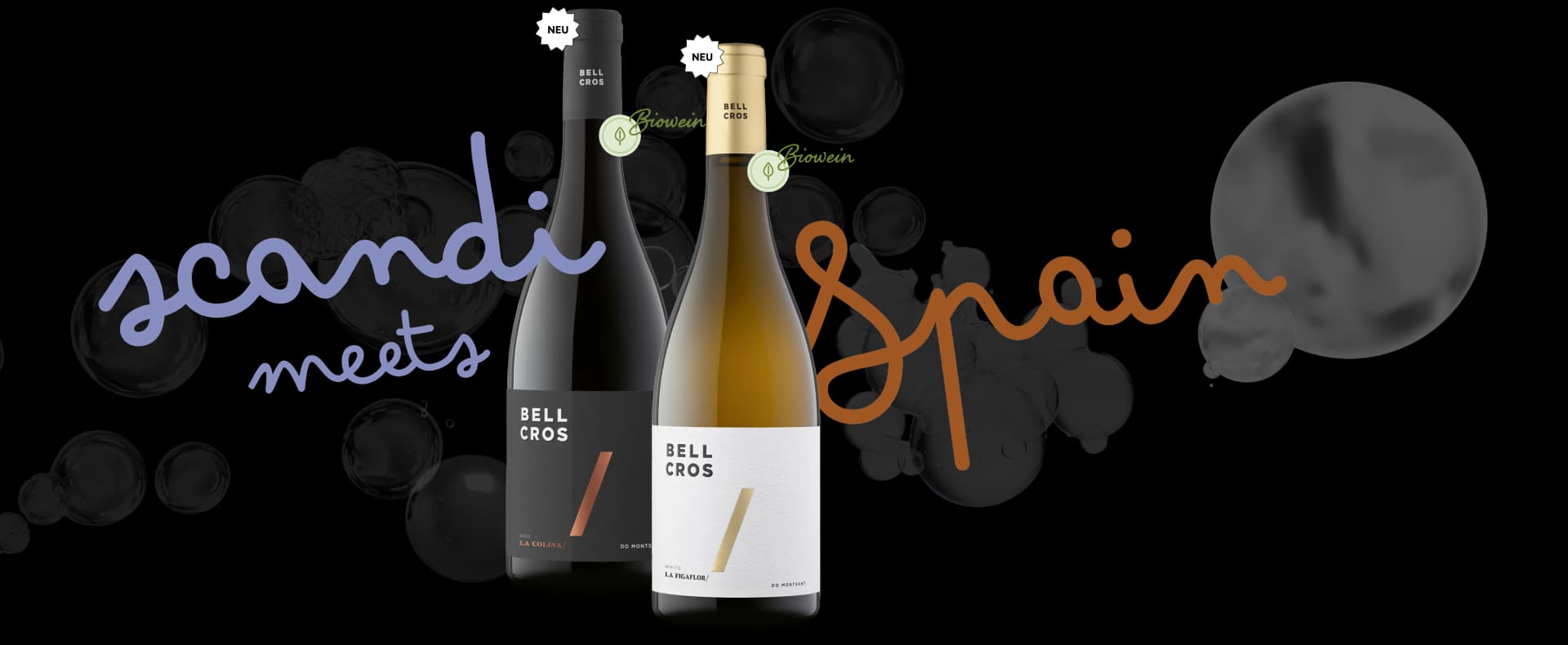
On their hikes through the Catalan countryside, they first discovered the wines of Priorat and later those from neighboring Montsant. There they eventually stumbled upon a vineyard that was for sale… As Peter says, the blood rushed to his head. And he said to his wife: “Ann, I just have to do this!” No sooner said than done: the newly minted retirees sold their house in Sweden and plunged into the adventure. “I’m simply an incurable enthusiast!” says Peter. For him, Bell Cros isn’t a business but a true passion project: small, sustainable, and carefully run. The wines are organic, vegan, and deliberately limited in volume. Or, as he prefers to call it: “Bottled Happiness.” Anyone who tries a glass of Figaflor immediately understands what he means.
When Peter Skoglund wants to learn something, he does it properly. So he set off with a Catalan friend and visited 50 wineries. Every day he tasted around ten wines. “We Swedes don’t waste a drop!” he grins. The result: plenty of headaches – and plenty of new friends. Afterwards, he enrolled in a wine course. At first, he only planned to take the basic module, but he was hooked – today he’s a certified sommelier. Yet knowledge alone doesn’t make wine. What really mattered was the team. Through his new contacts, he met the renowned oenologist Joan Asens. On the third attempt to convince him, Joan finally agreed – because as a child he had played in exactly these vineyards, and because he was sure a Swede would be committed to sustainability.
Peter runs the winery the same way he once ran his companies: “I don’t make any decision alone.” How that works is shown by the story of the press: for three months, Joan and Peter debated whether a wooden press or a balloon press would be better. Catalan rootedness versus Swedish openness… In the end, they decided together – and today Joan himself raves about the new technology. Peter manages the estate with a blend of seriousness and humour. As a young manager, his witty nature often meant he wasn’t taken seriously. Later, as an executive with 1,000 employees, people suddenly said: “What a great manager, he laughs so much.” For Peter, that was never a contradiction: you can be focused and reliable – and still have fun. Especially in the wine world, this attitude deserves to flourish even more: deadly seriousness doesn’t mean better – and Bell Cros proves that beautifully with its “Bottled Happiness” wines.
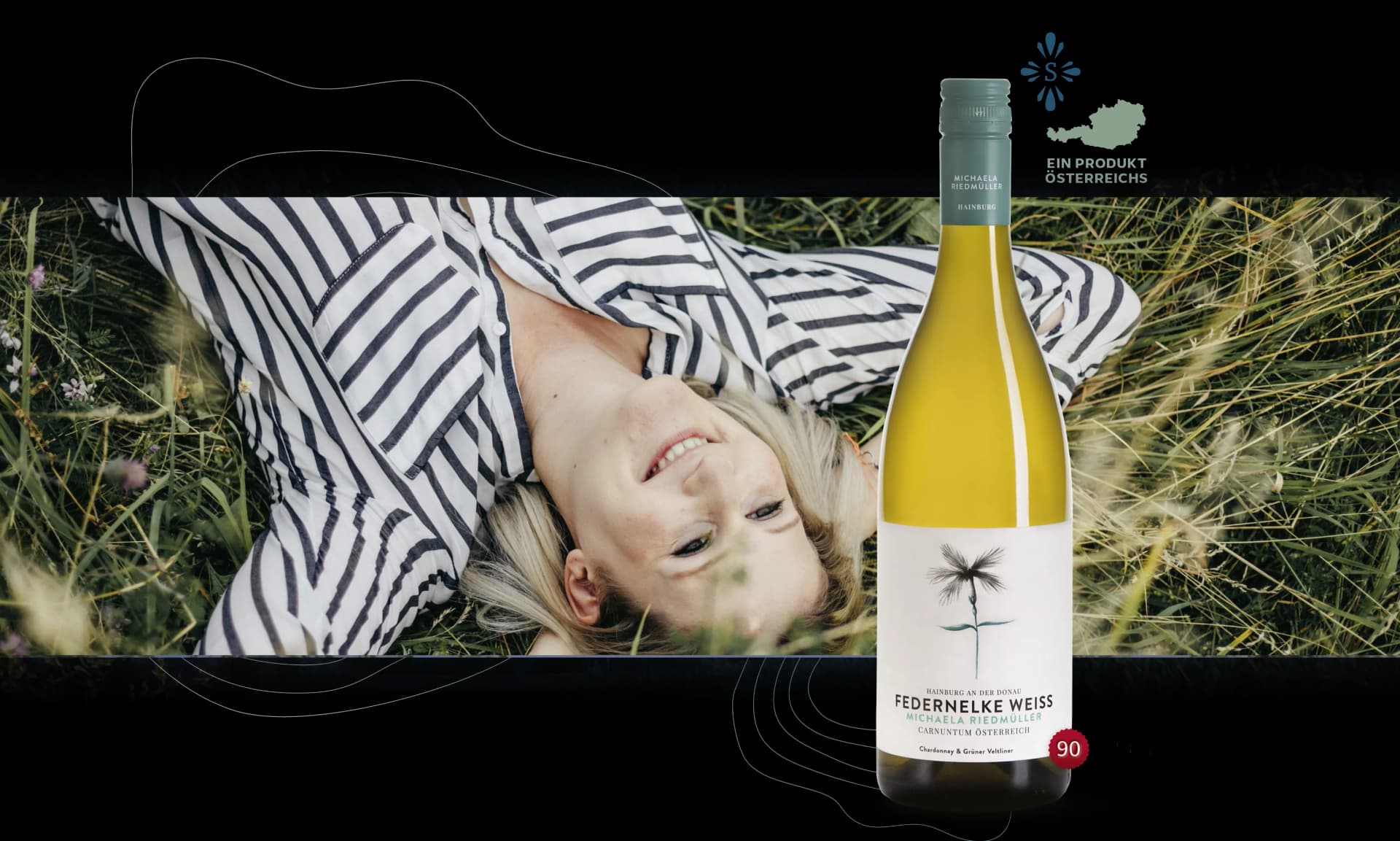
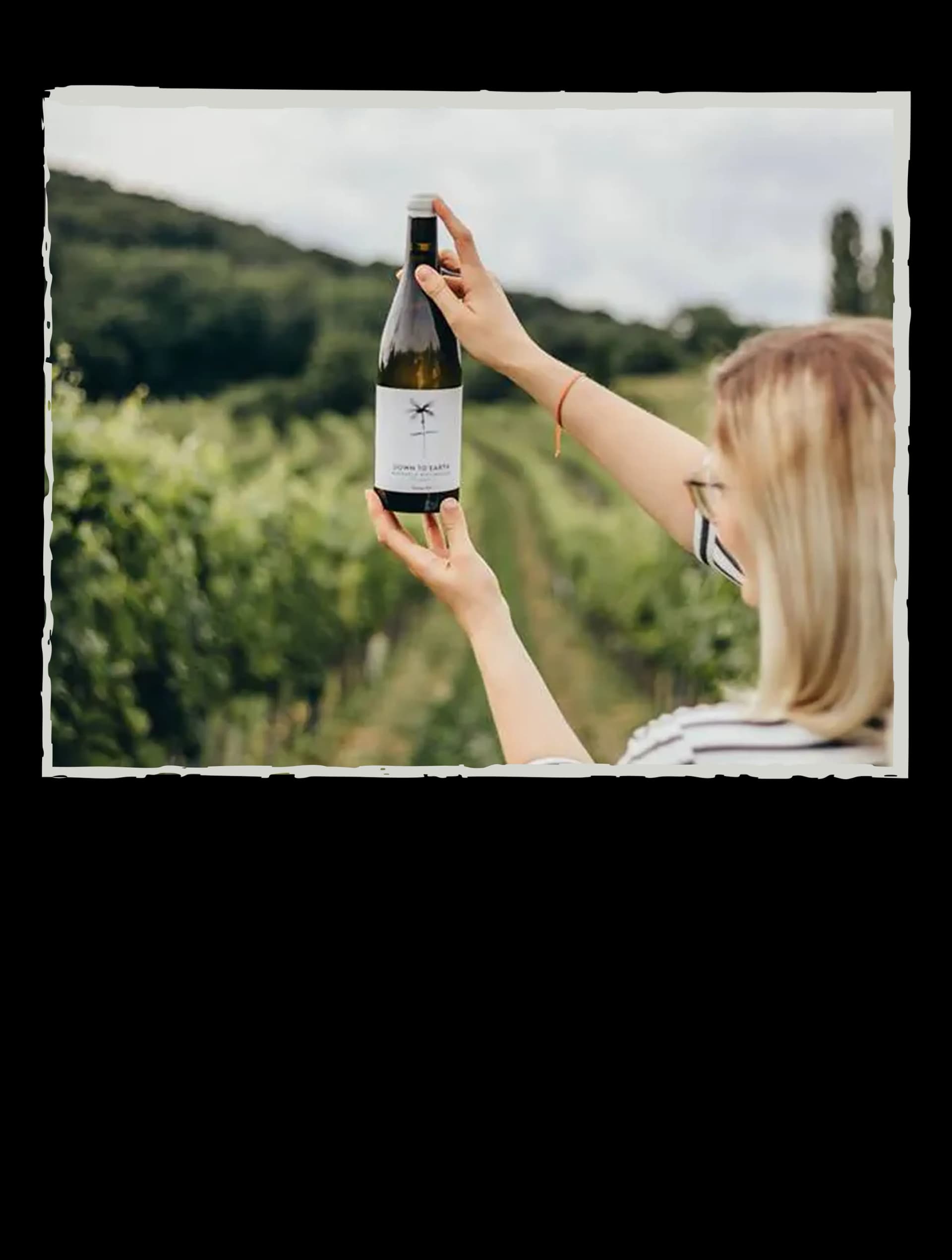
Austria’s wine world is young, dynamic and full of surprises. Anyone who raises an eyebrow at this statement should get in touch with winemakers such as Hannes Reeh, Christoph Edelbauer – or Michaela Riedmüller. They represent a new generation shaping the country with clear vision and a commitment to sustainability. After the wine scandal of the 1980s, which once shook Austria’s image, motivated young winemakers took the helm – and turned Austria into a model student in terms of ecology and quality.
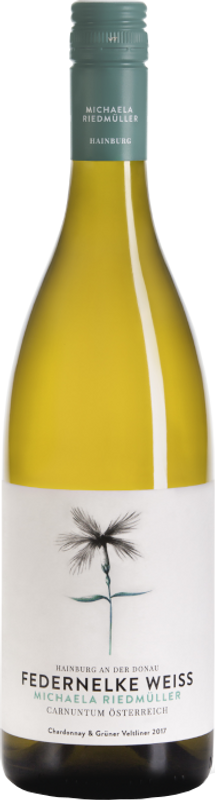
Michaela Riedmüller grew up on her parents’ winery in Carnuntum. As an adventurous child, she loved roaming through the surrounding nature reserve – and climbing over the Braunsberg vineyards. At the top, 400 metres above the Danube, the view stretches all the way to Bratislava. There, where rare dry-grass flowers such as the delicate feather pink bloom, she developed her early love for nature and for viticulture. “There was never a plan B,” she says. Today, at 34, she holds degrees in oenology and wine business – and since 2015 has been running the seven-hectare family estate. Her goal: to put Braunsberg on the world wine map. With perseverance, sensitivity – and that quiet determination that lets great things grow.
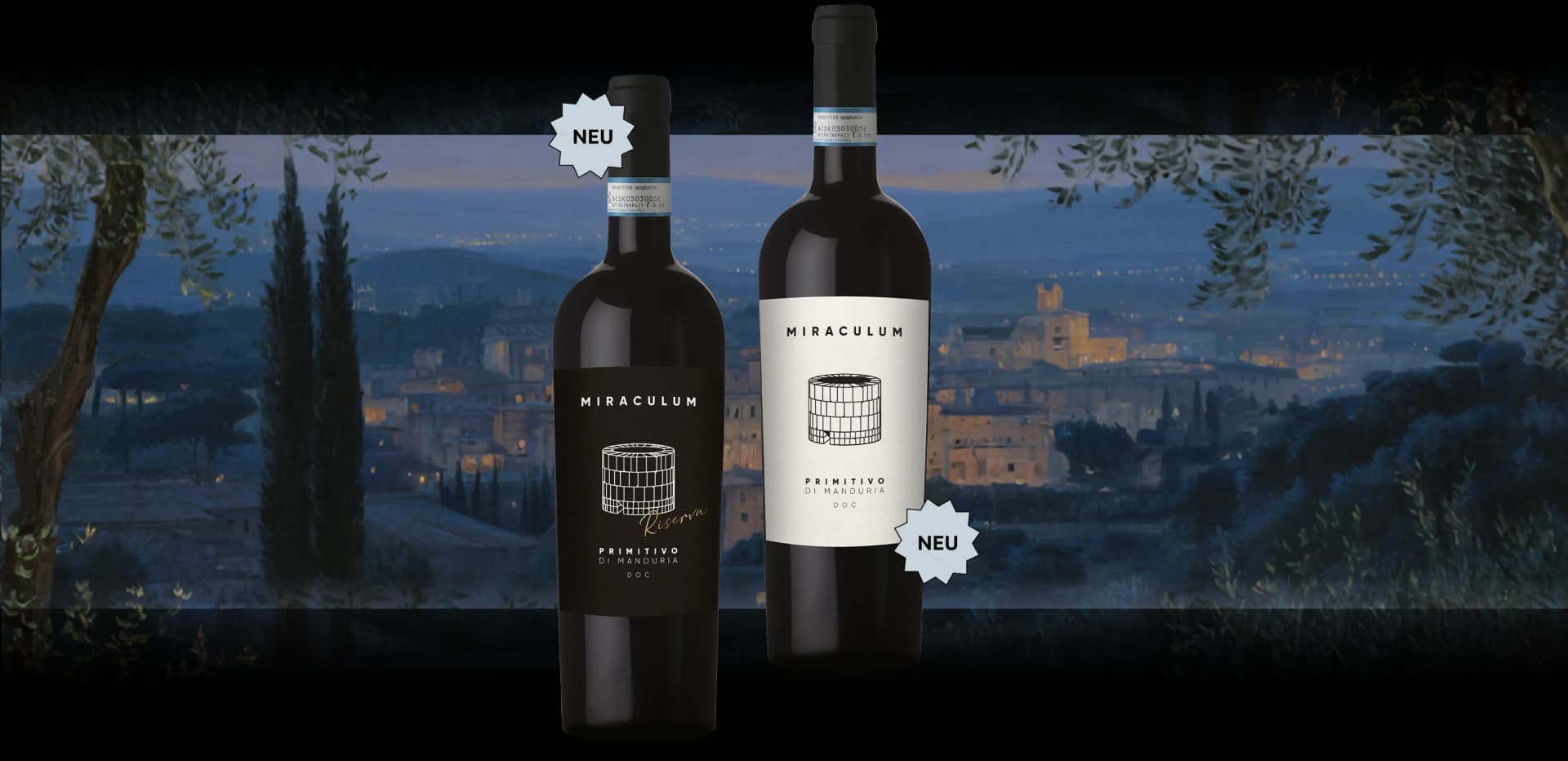
In the heart of Manduria lies a spring in an underground cave, reached by a staircase carved into the rock. This well, built by the town’s founding people, has puzzled locals since antiquity: when water is drawn, the basin immediately refills – yet never overflows. Naturally, countless legends surround this magical place. Whoever drinks from it, they say, will remain forever tied to the town. Some claim it’s just an old superstition. Others say they’ve felt it – that gentle tug at the heart when leaving Manduria, as if something stays behind.
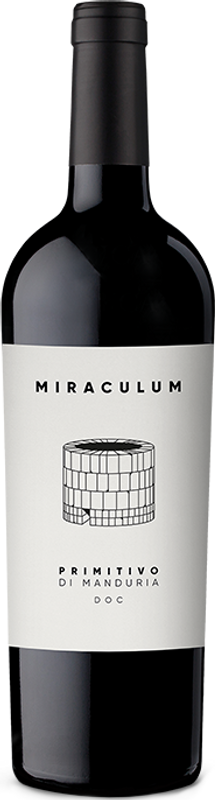
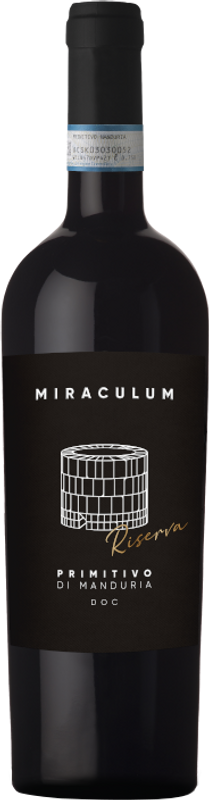
Here, where queens once gazed at their reflections in the water, where lovers swore eternal fidelity and fertility rites were performed by moonlight, more than just water springs forth. Manduria offers stories – and wine. The Miraculum wines are a love letter to this forgotten enchanted land. Two Primitivo di Manduria: one as archaic as the underground spring, the other as soft as shadows on warm limestone. The taste? Full and expansive, as if immersing yourself in a secret that slowly reveals itself. The Miraculum wines speak with the voice of the earth – and their echo answers from the silence of times past. Some wonders can’t be explained. But they can be tasted.
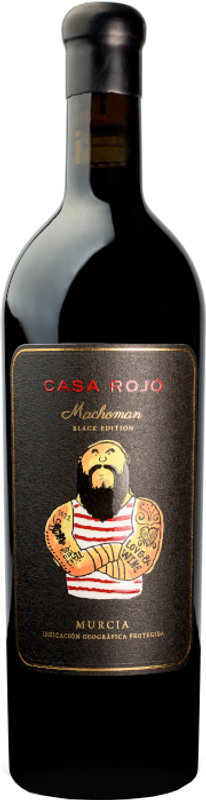
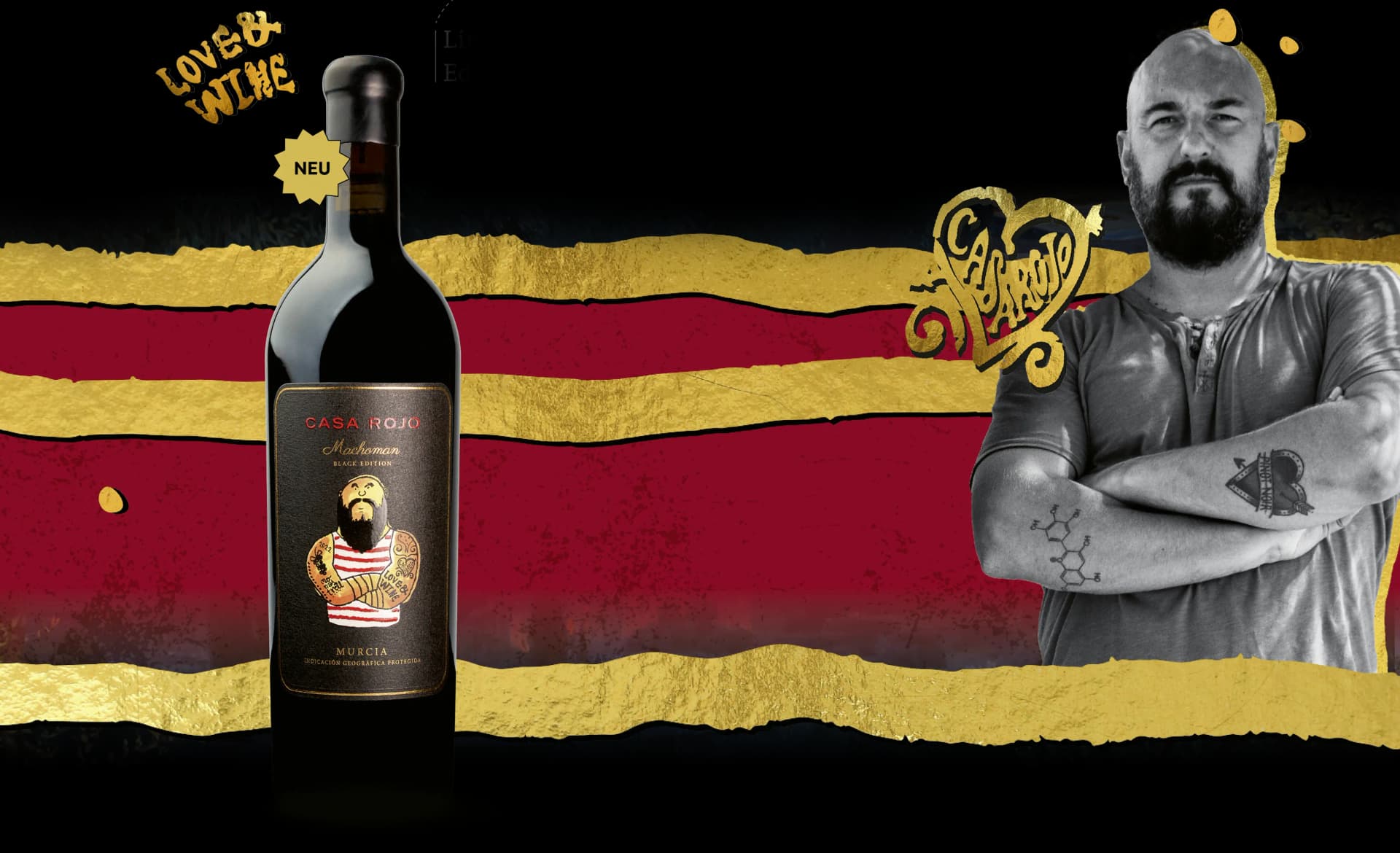
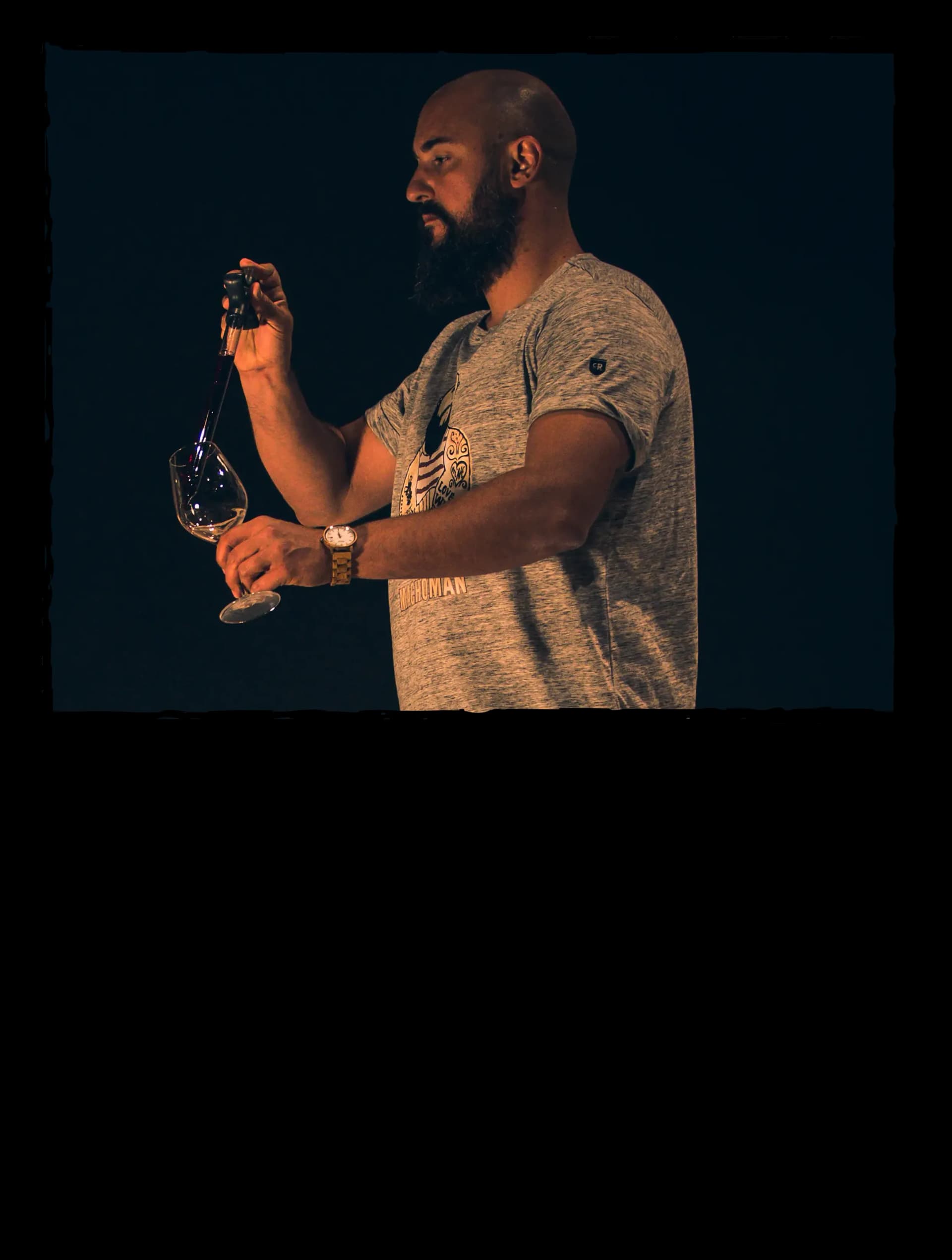
He wears black, smells of leather, dark chocolate and a hint of danger… The new Black Edition of the cult Macho Man is available in Switzerland for the first time! And he flirts — with your wine glass, your barbecue, your fireplace. Behind the muscle-bound figure is José Luis Gómez, oenologist and co-founder of Casa Rojo – according to a Japanese friend, a true “Macho Man.” When designer Eduardo del Fraile spontaneously sketched a caricature of him on a napkin one evening in a bar, it was clear: this would be the wine’s label – and with it, a legend was born.
Together with his partner Laura Muñoz, Gómez stands for “creative oenology”: wines with character, witty names and labels that tell stories. The Macho Man Black Edition is a powerhouse with impeccable manners: broad shoulders, an open shirt, a soft heart. The grapes come from vines up to 80 years old, grown under the sun of southern Spain on rock-hard soil – “macho suelo,” as they call it. That gives ripeness and intensity – and that dangerously dark look in the glass. The secret of the Macho Man Black Edition? Muscles from Monastrell, brains from Syrah and Petit Verdot. In short: this guy doesn’t just look good – he knows what he’s doing in the glass.
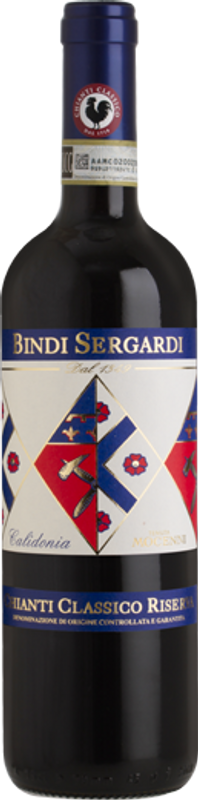
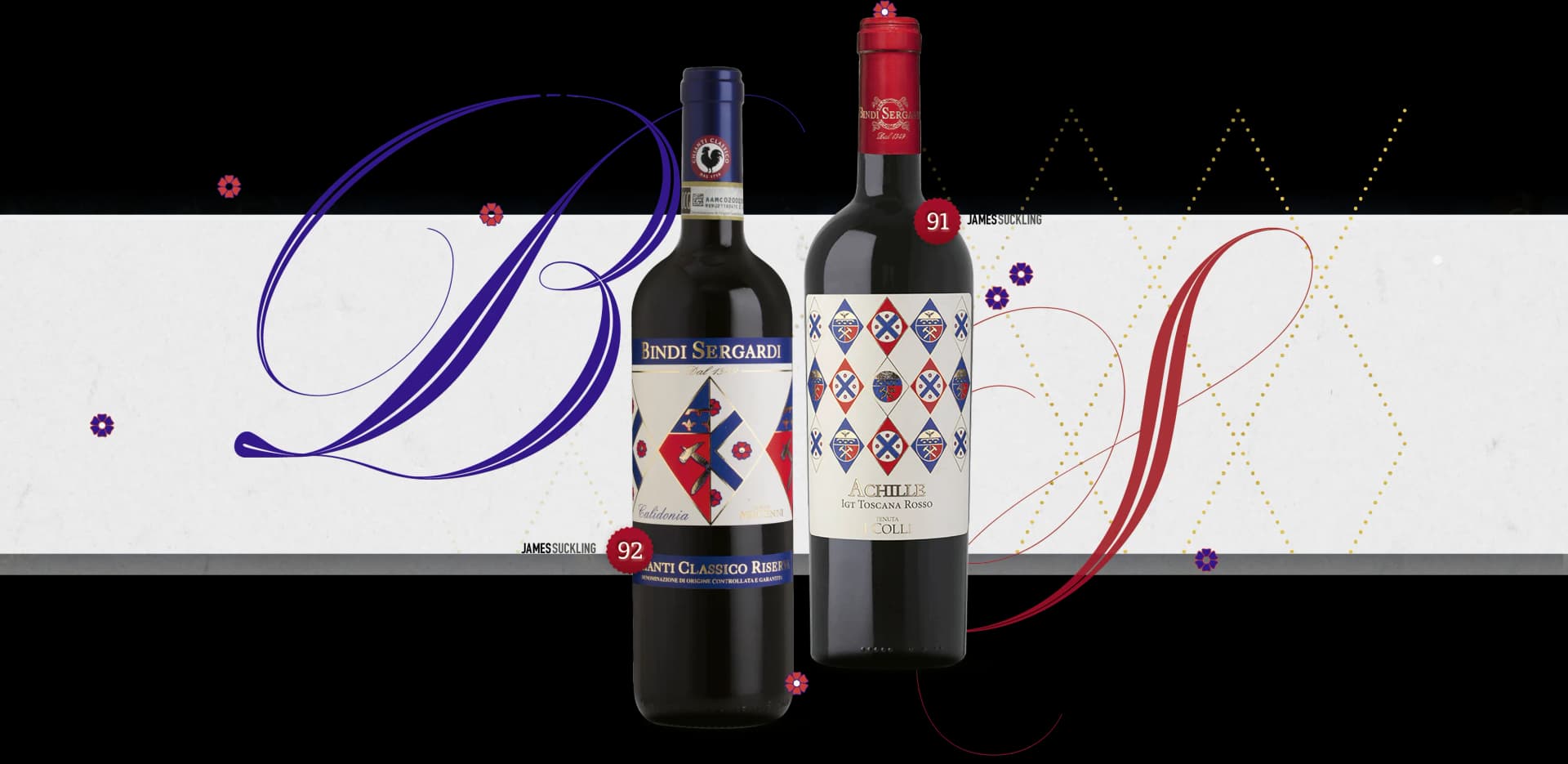
Not far from Siena, in the gently rolling hills of Chianti Classico, lies the Bindi Sergardi estate – a place where history, tradition and winemaking form a rare symbiosis. The family’s origins date back to 1349: patricians, diplomats, bishops and farmers who have been connected to the Tuscan soil for 23 generations. One of the most remarkable names in this lineage is Achille Sergardi, Master of the Salt Office at the end of the 15th century. Legend has it that through diplomacy he prevented a war between Siena and Florence – and although the history books are silent, his spirit lives on in a wine.
A harmonious blend of Sangiovese and Merlot bears his name. Or Calidonia Sergardi: her marriage to Girolamo Bindi united two influential lineages – a bond that lives on in the noble Chianti Classico Riserva.
In more recent history, Chiara Bindi Sergardi guided the estate through the turmoil of the Second World War – as an orphan and war widow, with courage and determination. Today, Alessandra and Maddalena carry on the legacy with deep respect for history, nature and the region. You can taste this attitude in every glass: Bindi Sergardi does not make trendy wines, but characterful creations with origin, dignity and style.