



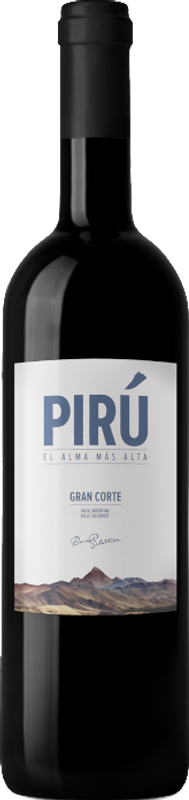
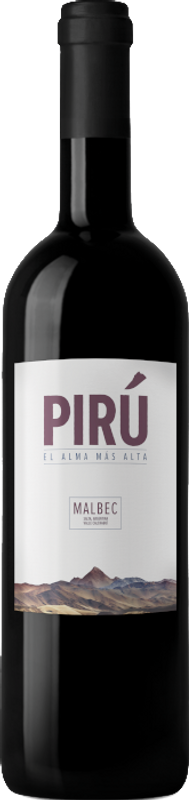
The mountain world of the Andes in South America stretches over more than 7,500 kilometres. It is a world of extremes. Snow and rock as far as the eye can see. In between there are seething volcanoes and thousands of kilometres of nothing but ice and salt. This sounds like a world that would be hostile to life. But animals and plants have adapted marvellously to these conditions. This also applies to the grapevine. Around the small town of Cafayate, in one of the last foothills of the Andes in north-west Argentina, the highest vineyards in the world can be found. But what does the altitude do to the grapes? Or to put it another way: what do the Andes taste like in a glass of wine?
If you like travelling in the high Alps, you will know that the sunlight is more intense and that you need to protect yourself with sun cream with a high protection factor. The grapes simply develop a thicker skin. This makes the wines darker and rich in tannins. The thick coating also ensures that the fruit remains healthy and does not burst open. This allows them to mature for a particularly long time and develop their full flavour. The cold nights at 1,700 metres above sea level also ensure that a pleasant acidity is retained. This results in lively, balanced wines. As the vine has to work hard to thrive on this soil, it has more backbone - often referred to as structure in the language of wine. A bit like people who have overcome crises. À propos: Cafayate translates as "where worries are buried". Is it the good wine? Or the imposing mountain scenery that leaves you in awe? Probably a combination of both...