««We play with time»»
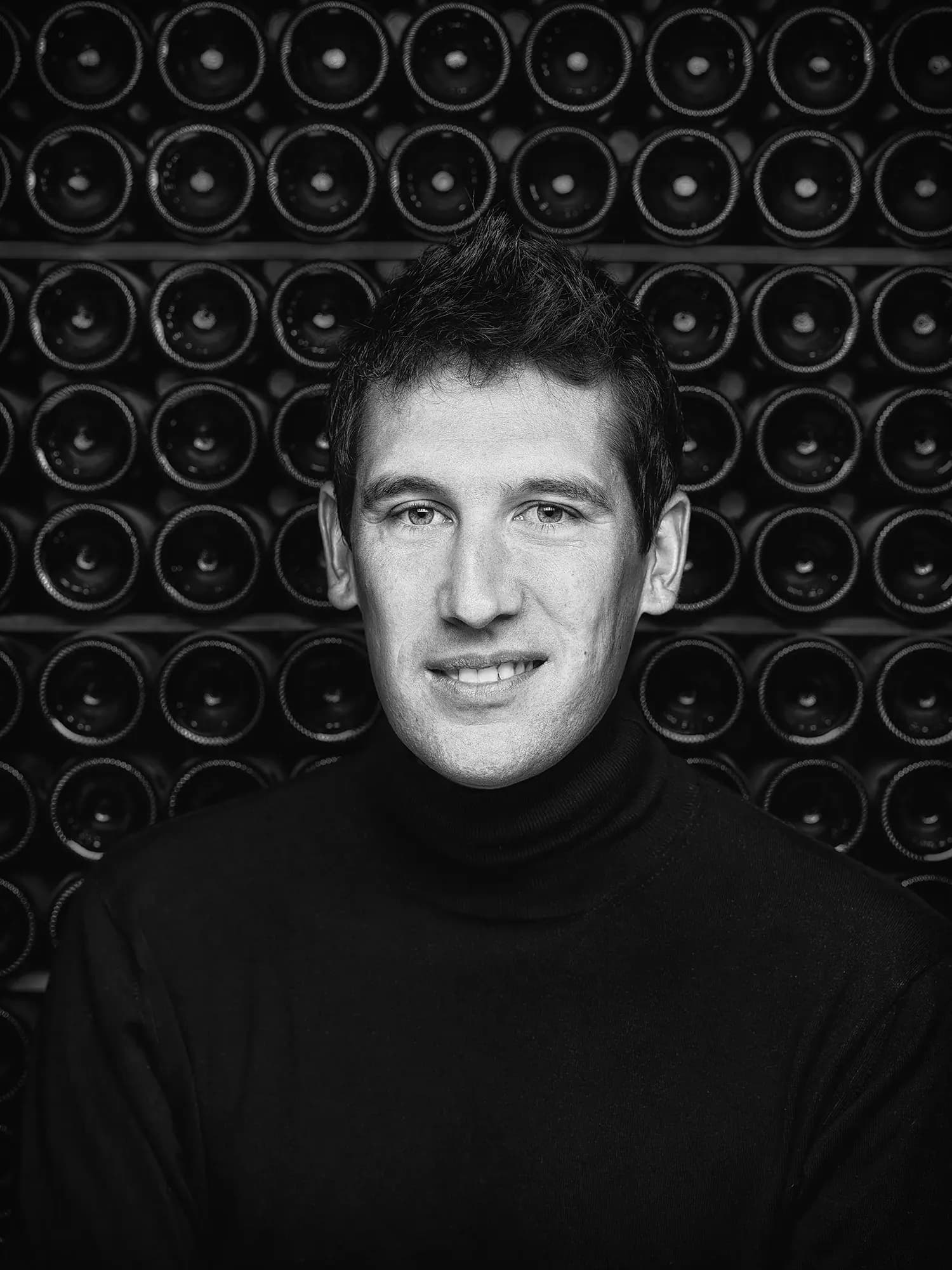
««Do you remember what you were doing in 2016 — what the weather was like, how you felt? Mature wines are time capsules. When you drink them, you feel a sense of awe, as if you can almost hear the clock ticking. Or, as Guillermo de Aranzabal says: ‘There’s so much more than taste — you’re drinking a bit of history.’ So if you’re in the mood for a little journey through time in your wine glass, don’t miss the wines from La Rioja Alta!»»
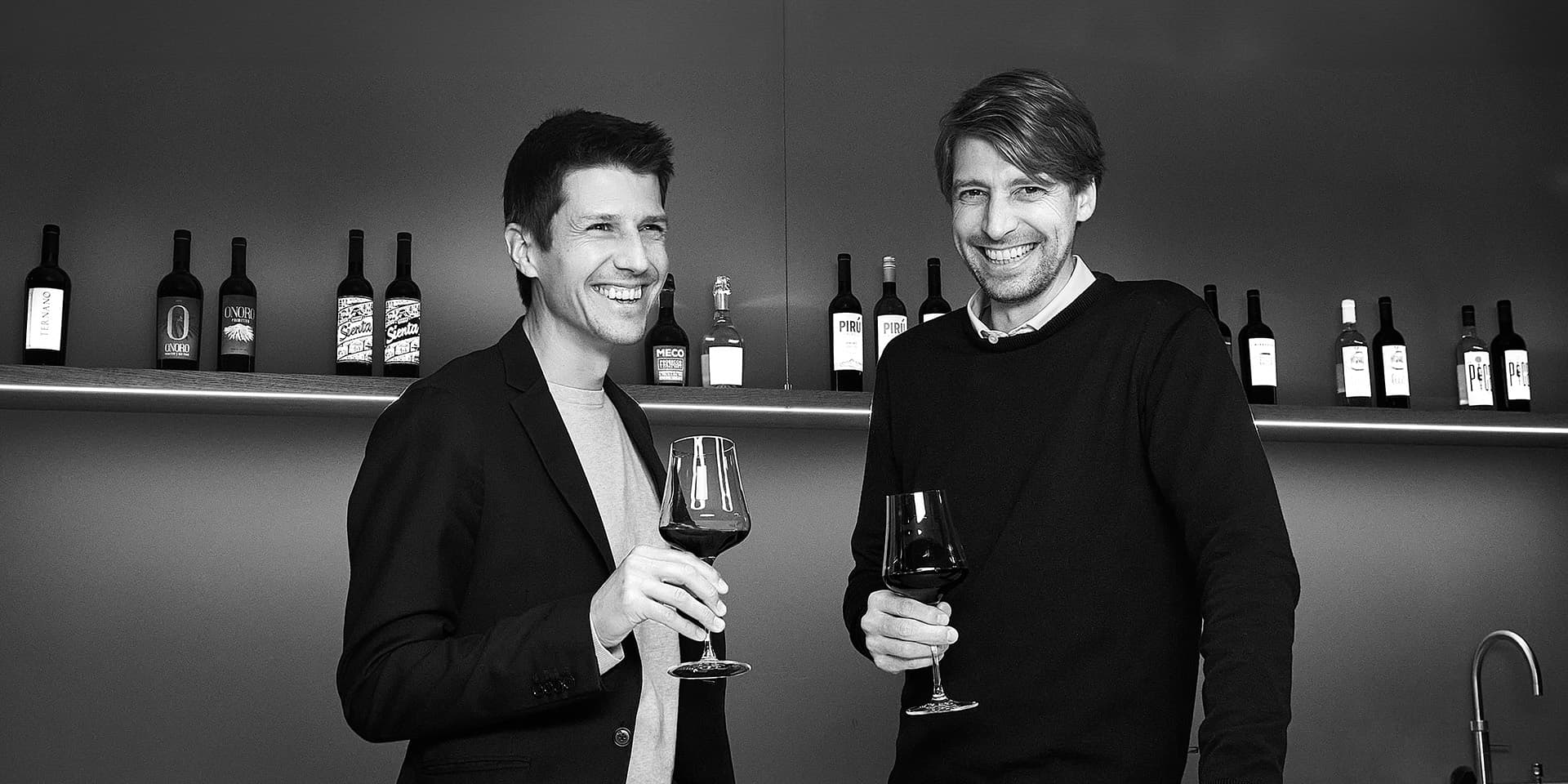
Anyone walking through the historic buildings of La Rioja Alta, past thousands of barrels and millions of bottles, feels as though they are wandering through time. “Anyone who visits us sees and feels history,” says Guillermo de Aranzabal. In the cellars of this traditional bodega lies nothing less than time itself—stored in liquid form. What makes La Rioja Alta so special is that they only release their wines when they are perfectly ready to drink. “Yes, there’s a lot of money sitting around,” Guillermo says with a smile. “You can only do this if you have a very long history. No one could start such a business model today. But we’ve been doing it this way for 135 years.”
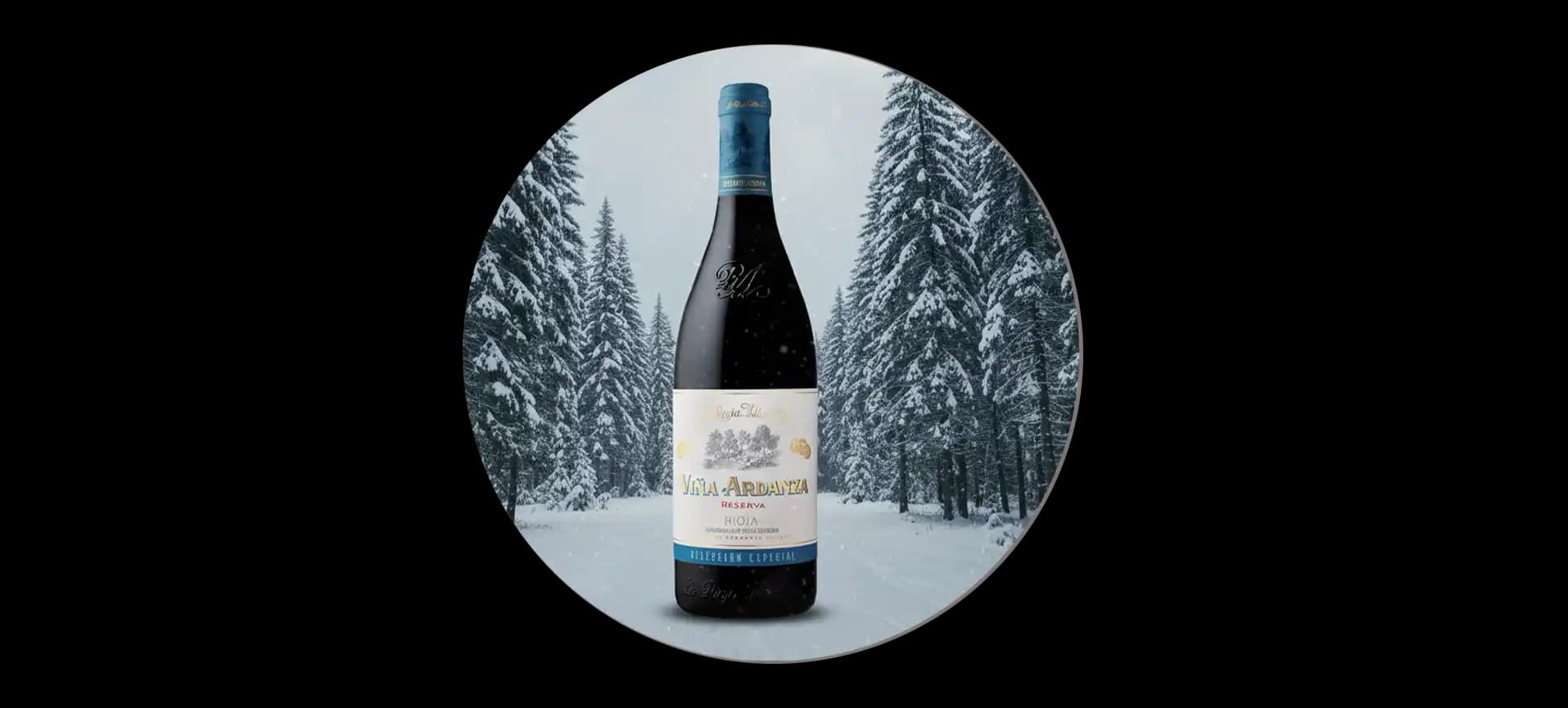
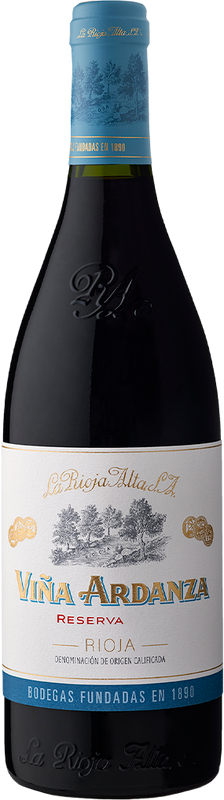
For half a year he has been leading the family business, where he used to play between the barrels as a child – and occasionally stole the forklifts to race against his brother. Today, he no longer steers steel, but style. His employees are the same people he used to play pranks on. Many of them have been working for the bodega for generations. Time forges not only aromas, but also human bonds. And it creates memories that sometimes turn into legends. One of those is Viña Ardanza. The wine has been on the market since 1942 and has always been a crowd favourite. No other Spanish wine in this price range sells more frequently. Probably because with every sip you can sense that it was given the time it needed to find its centre.
…a candle flickers. A hand holds the flame up to the glass tube through which the wine flows from the old barrel into the new one. An experienced eye checks the colour, clarity, and movement – and stops the process at exactly the right moment, just before the sediments come through. For 135 years, racking at La Rioja Alta has been done this way: by candlelight, but without pumps or filters. Because filters don’t just hold back sediments, they always take a bit of colour and flavour with them.
Although thousands of litres of wine are lost each year in the process, Guillermo de Aranzabal is convinced of the traditional method: “We are seeking the highest quality – in that sense, this is not a loss for us.”
Anyone thinking of the good old days and dusty nostalgia would be mistaken. Outside in the vineyards, drones buzz above the vines, measuring ripeness and sunlight. Optical sensors later sort each individual grape – more precisely than the human eye ever could. In this way, tradition and technology come together, united by the same goal: to create wines that present fruit, freshness, and finesse in perfect balance.
…and dusty nostalgia is mistaken. Outside in the vineyards, drones buzz above the vines, measuring ripeness levels and sunlight. Optical sensors later sort each individual grape – more precisely than the human eye ever could. In this way, tradition and technology meet – united by the same goal: to create wines that display fruit, freshness, and finesse in perfect balance.
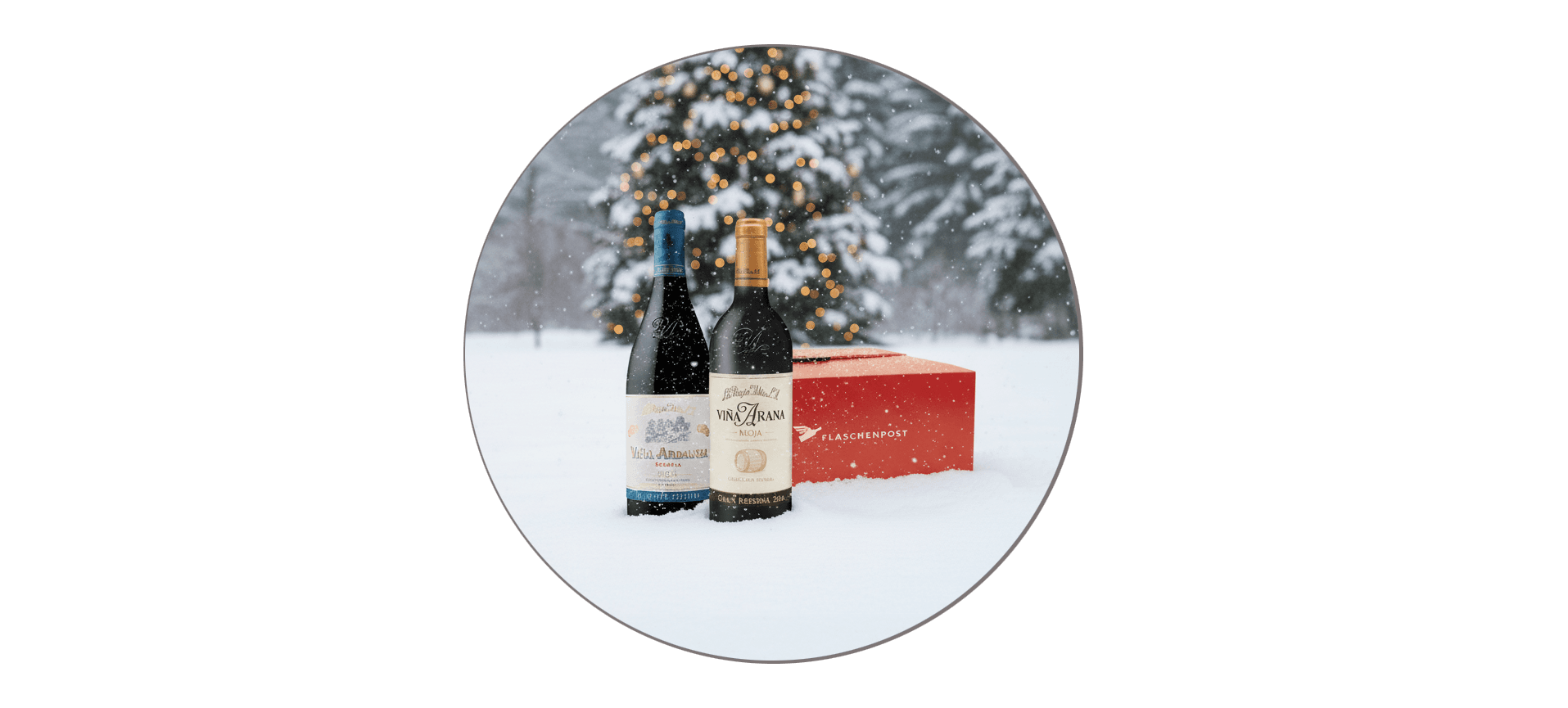
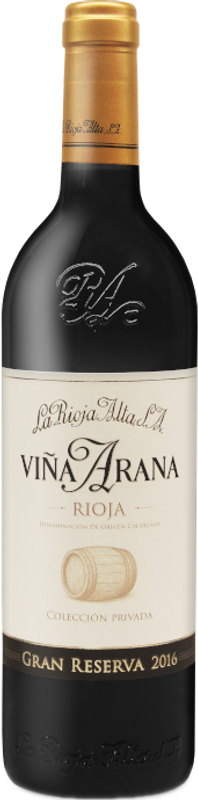
Guillermo calls his wines “New Classics,” because in them, past and present merge into timeless elegance. A particularly successful example is the Gran Reserva Viña Arana. The wine displays the characteristic depth, balance, and refinement of the house. Flaschenpost founder Renzo Schweri has always been an avowed fan of La Rioja Alta. To celebrate this mutual appreciation, the bodega reserved twelve barrels of the outstanding 2016 vintage exclusively for Flaschenpost. Our exclusive Colección Privada of a true Rioja icon: a pleasure today, a legend in 20 years.
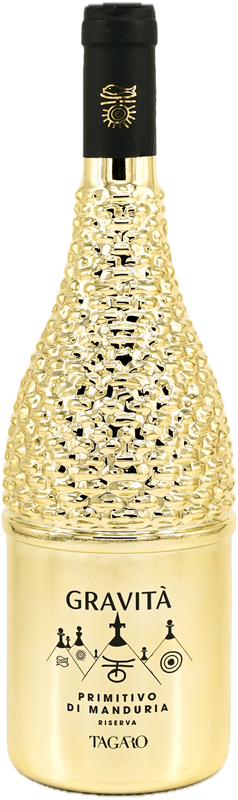
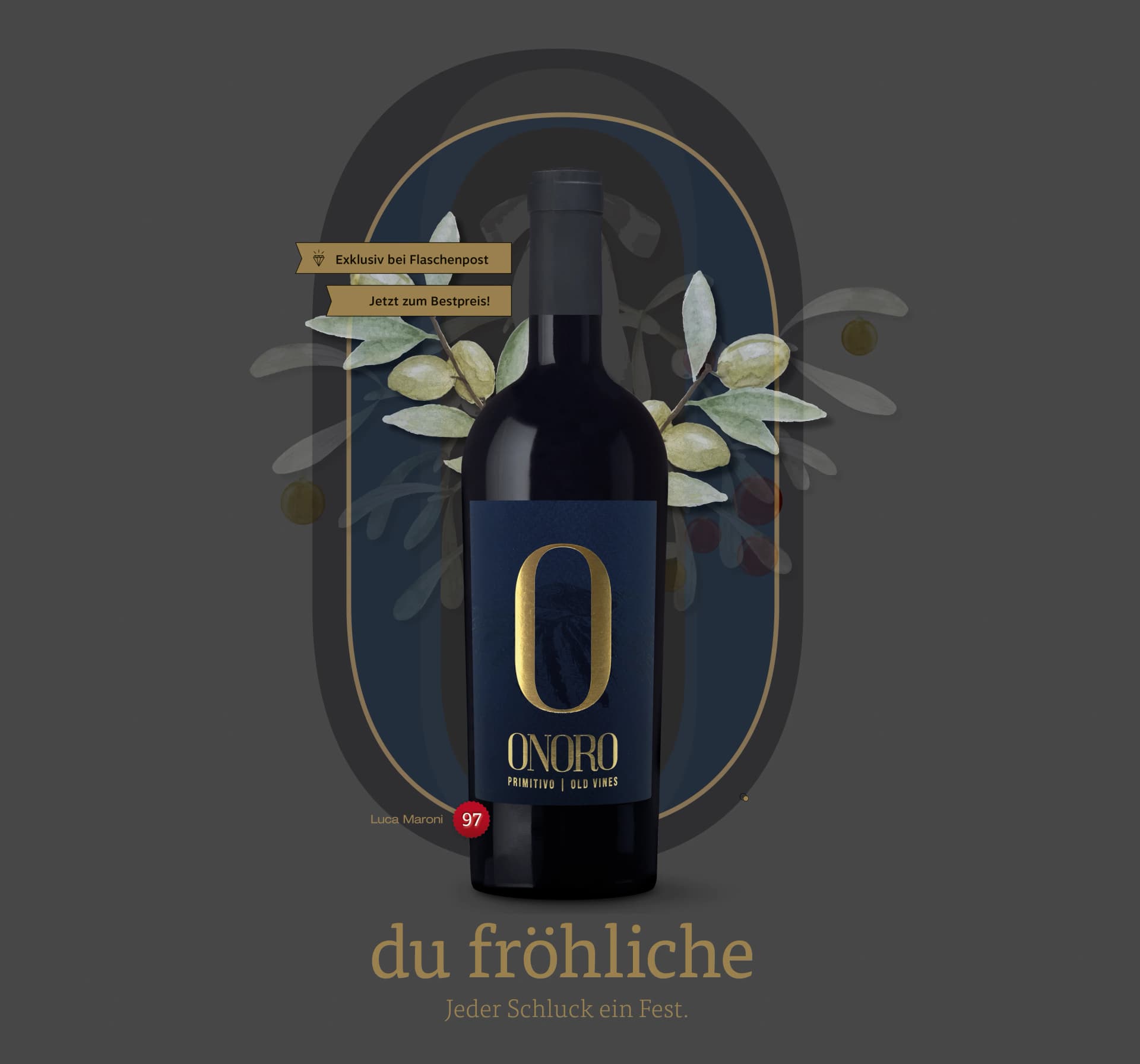
– with dreamlike beaches, vibrant culture, and a primordial landscape shaped by the mysterious trulli. These round stone houses with their conical roofs seem as if they have fallen out of time. They were built by farmers who had to clear their barren fields of stones in order to plant vines and grain. From exactly these limestone rocks the trulli and dry-stone walls were created – and they also form the foundation of Primitivo: the stony soil gives it power, complexity, and at the same time a soft, harmonious structure.


…and wine have a great deal in common: in a trullo, thick stone walls provide structure and support – just like tannins and alcohol in a Primitivo. On the outside of the roof, thin slabs are artfully layered – like the finely tuned aromas that make the wine round and balanced.
And the typical symbols painted on the roofs are as mysterious as the complexity of the wine itself, which has always carried something mystical about it.
Trullo and Primitivo share the same origin: a simple rural culture born out of necessity – today a UNESCO World Heritage treasure and a success story. At the Tagaro winery, whose heart is an ancient trullo, even the bottle shape carries this magic out into the world: powerful, artisanal and at the same time harmonious – quintessentially Puglian.
The Swabian orchards with their old trees are not only beautiful to look at, they are also a valuable biotope – and they don’t hold back when it comes to fruit. Take a bite? Better not. The Swabians call the tart flavour that characterises these tannin-rich fruits “räs”.
What do you do with them? Chef Jörg Geiger asked himself the same question… and where others stopped, he began: with diligence and ambition – driven by his love of nature – he set out in 2003 to create alcohol-free beverages from these diva-like fruit varieties. Inspired by the high art of cuisine and with the goal of lifting alcohol-free alternatives to a new level.
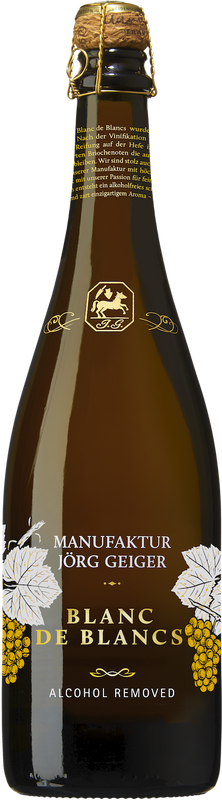
...is inspired by the great sparkling wines of the world: high-quality Chardonnay and Colombard, matured on the lees and gently dealcoholised, refined with a dosage of apple, gooseberry and mandarin juice as well as selected herbs, blossoms and spices.
A sparkling wine that proves: first-class alcohol-free beverages can be more than just an alternative.
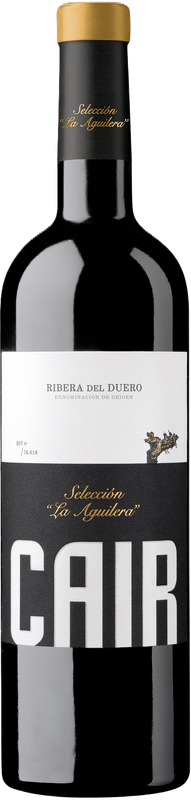
In 2008, Juan Luis Cañas founded the Dominio de Cair winery in the heart of Ribera del Duero. From the very beginning, his philosophy was “Perfección, dinamismo e inquietud” – perfection, dynamism, and the tireless search for the best. He invested in state-of-the-art cellar technology and wandered through the region until he found truly unique vineyards.
Dominio de Cair soon attracted international attention. When we discovered the wines in 2016, it was love at first sip: Cair Crianza became our absolute favourite wine and quickly developed into a crowd favourite. That hasn’t changed to this day.
…never rests on his laurels. Always looking for ways to improve, he has now given our favourite wine a new appearance. From now on, Cair Crianza bears the name Cair Selección La Aguilera and presents itself in a fresh look with a new label.
And the quality? Just as high as ever – or even a touch better, since it now comes exclusively from the winery’s own vineyards around La Aguilera!
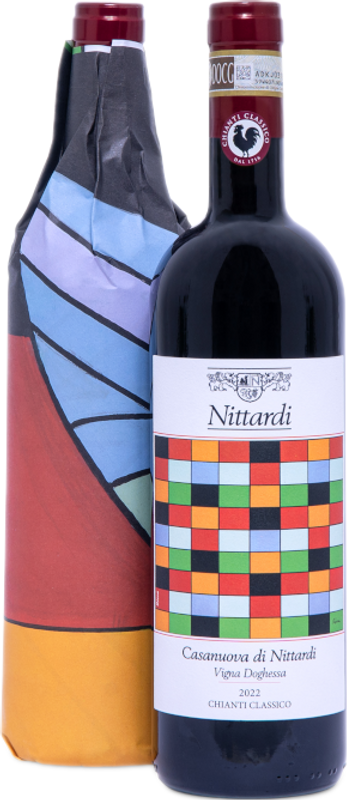
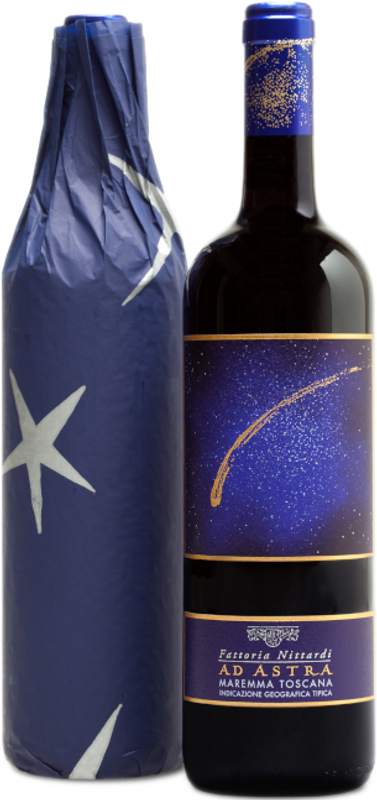
The most famous former owner of Fattoria Nittardi was Michelangelo – and in his spirit, creativity and craftsmanship still merge here today. Since 1981, the Tuscan winery has belonged to Peter Femfert, an art dealer from Frankfurt, and his wife Stefania Canali, a historian from Venice.
“Just as an artist works with a blank canvas, the winemaker interprets what nature offers him,” says Léon Femfert, who runs the family winery in the second generation. From hundreds of small decisions in the vineyard and the cellar, a greater whole emerges – a process that requires precision, creativity and patience, quite comparable to the work of artists.
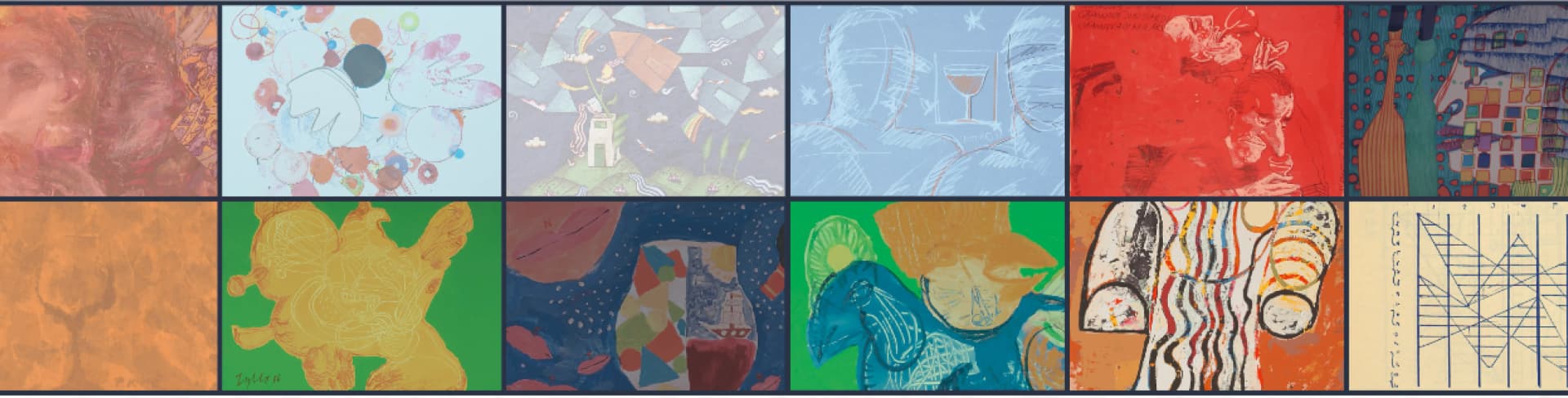
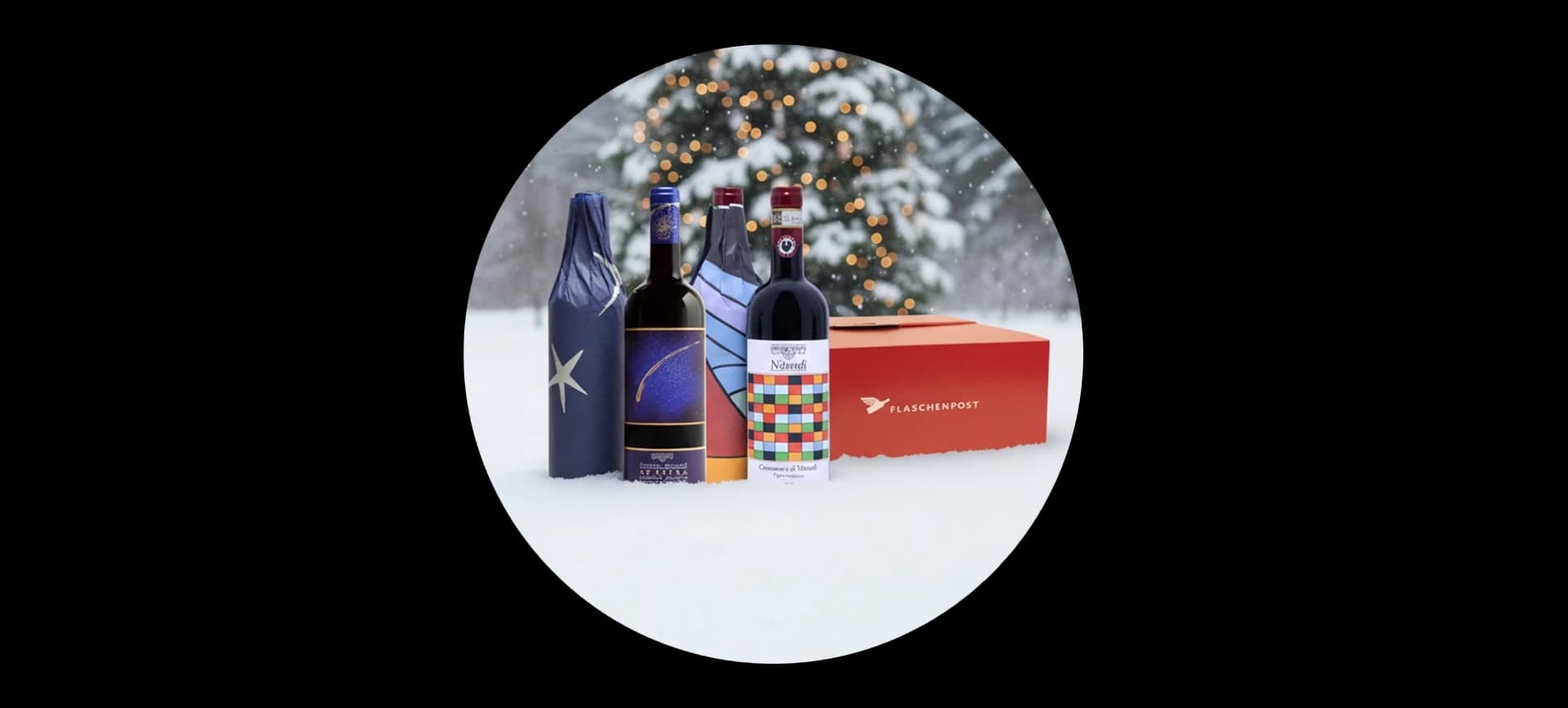
…between wine and art in the annually changing labels of the Chianti Classico Casanuova. Since 1981, greats like Hundertwasser, Yoko Ono, Dario Fo and Günter Grass have designed the bottles – each one a collector’s item, each one proof that wine is more than just a beverage.
For the 2022 vintage, the artist RISSA created a label inspired by Renaissance mosaics. The German painter’s works are characterised by reduction and bold use of colour.
Nittardi is not only a fixture for art lovers: international wine critics also regularly praise its wines for their elegance and depth. Here it becomes clear that wine is not only meant to be drunk, but experienced and admired – Nittardi turns it into a work of art that touches all the senses.
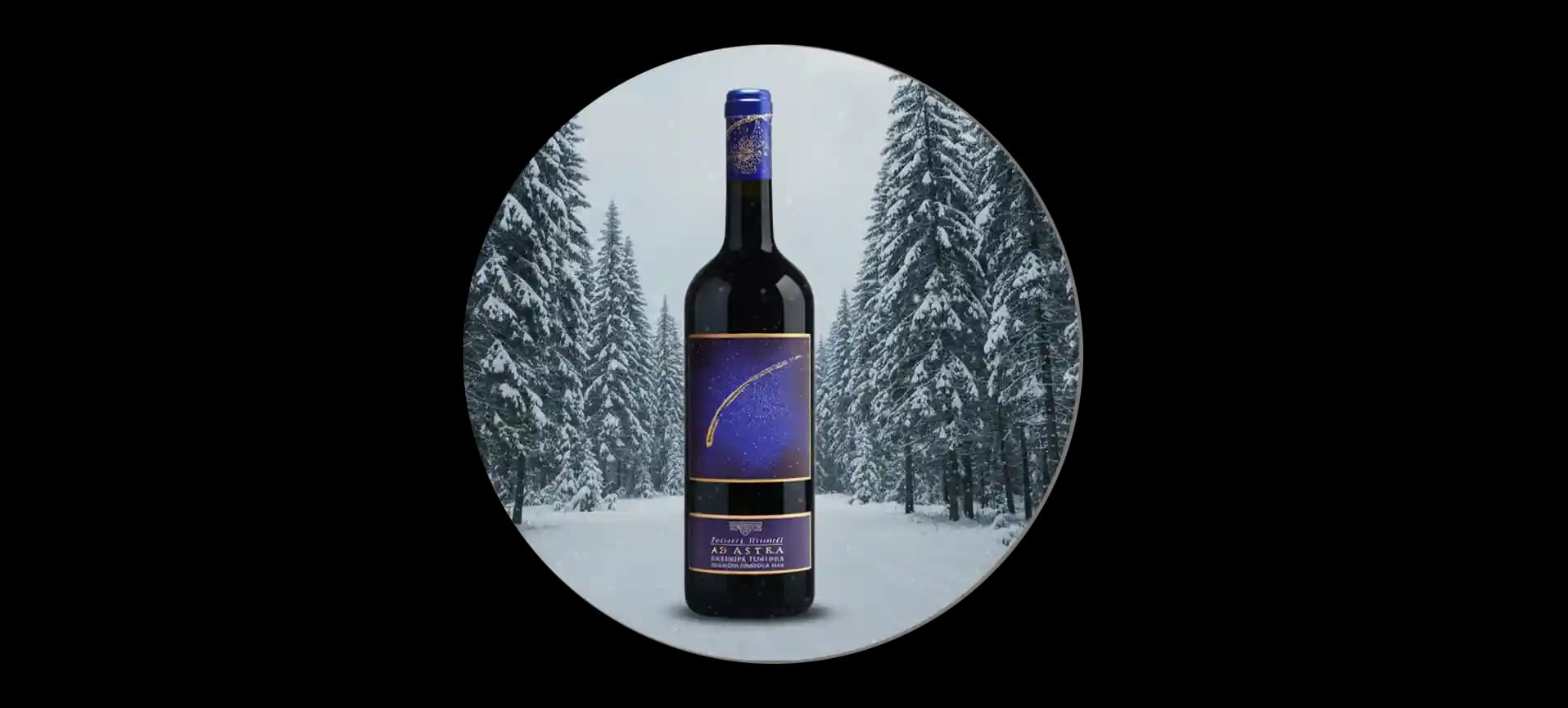




These bottles are flying off the shelves!